
Expressive Arts Therapy
A Creative Approach For People Who Want Something Different From Traditional Talk Therapy
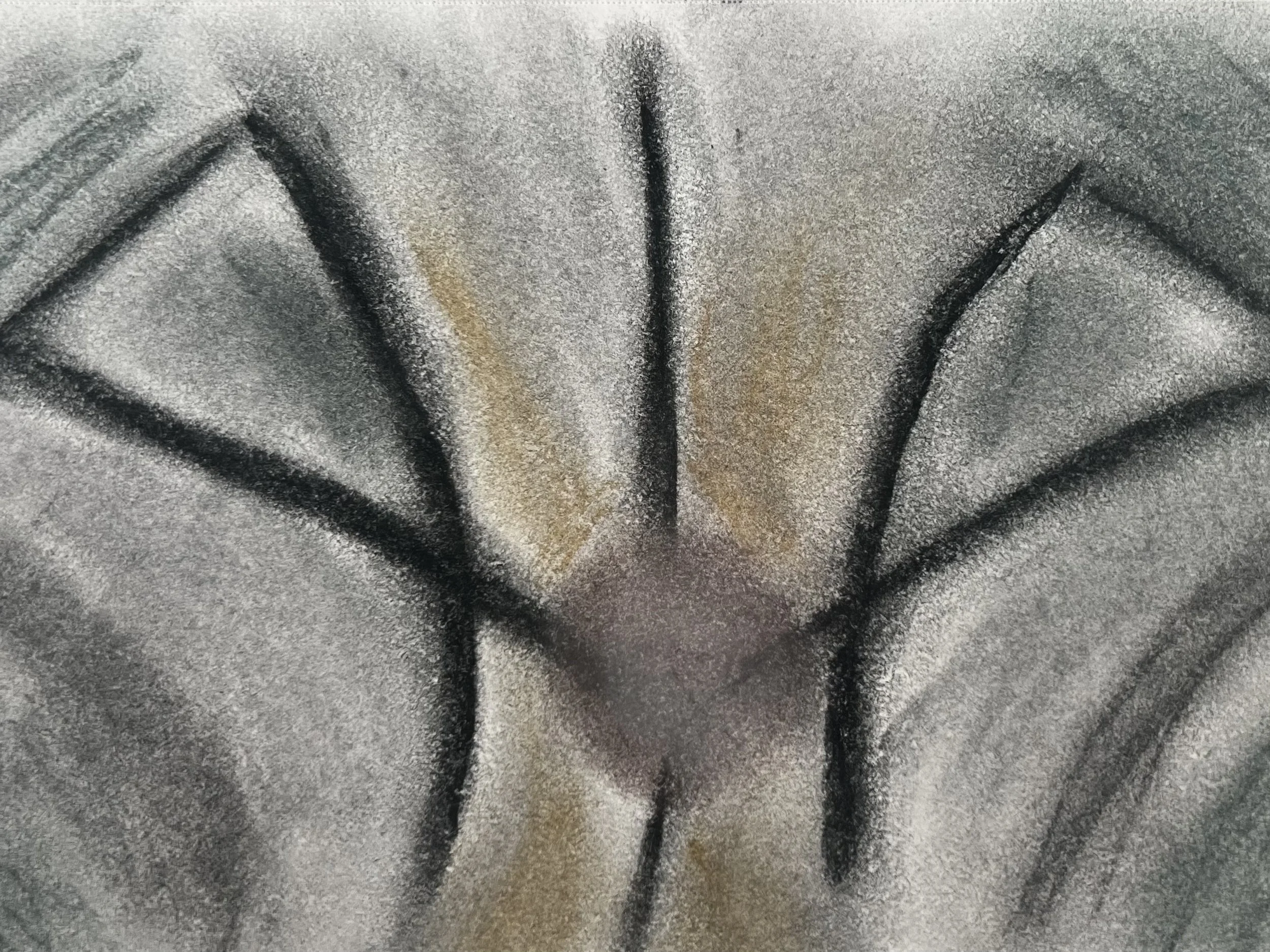
Expressive Art Reflection created by Katon Abnar Behbahani, MA, LPC, LCMHC, NCC
Many people come to therapy because they want to understand themselves more deeply and find relief from emotional pain. They are often thoughtful, insightful individuals who have already spent time reflecting on their experiences.
And yet, something may still feel stuck.
Some experiences are difficult to put into words. Trauma, grief, and emotional memories are often held not just in thoughts, but in the body, imagination, and emotional memory.
For some people, traditional talk therapy alone does not fully reach these deeper layers of experience.
Creative approaches to therapy offers another pathway.
Through Expressive Arts Therapy and creative approaches, therapy can include not only conversation but also writing, movement, music, visual artistic expression, and symbolic exploration. These approaches can help people access emotions and insights that may be difficult to reach through language alone.
Expressive Arts Therapy can be especially meaningful for people who:
have tried therapy before and want something different
are drawn to creative or reflective practices
feel that their experiences live in the body as much as in words
want a more holistic and experiential approach to healing
When Talking About Feelings Isn’t Enough
Many people seeking therapy are deeply thoughtful and self-aware. They may have spent years reflecting on their lives and trying to understand their experiences.
Yet even for insightful people, some emotions remain difficult to articulate.
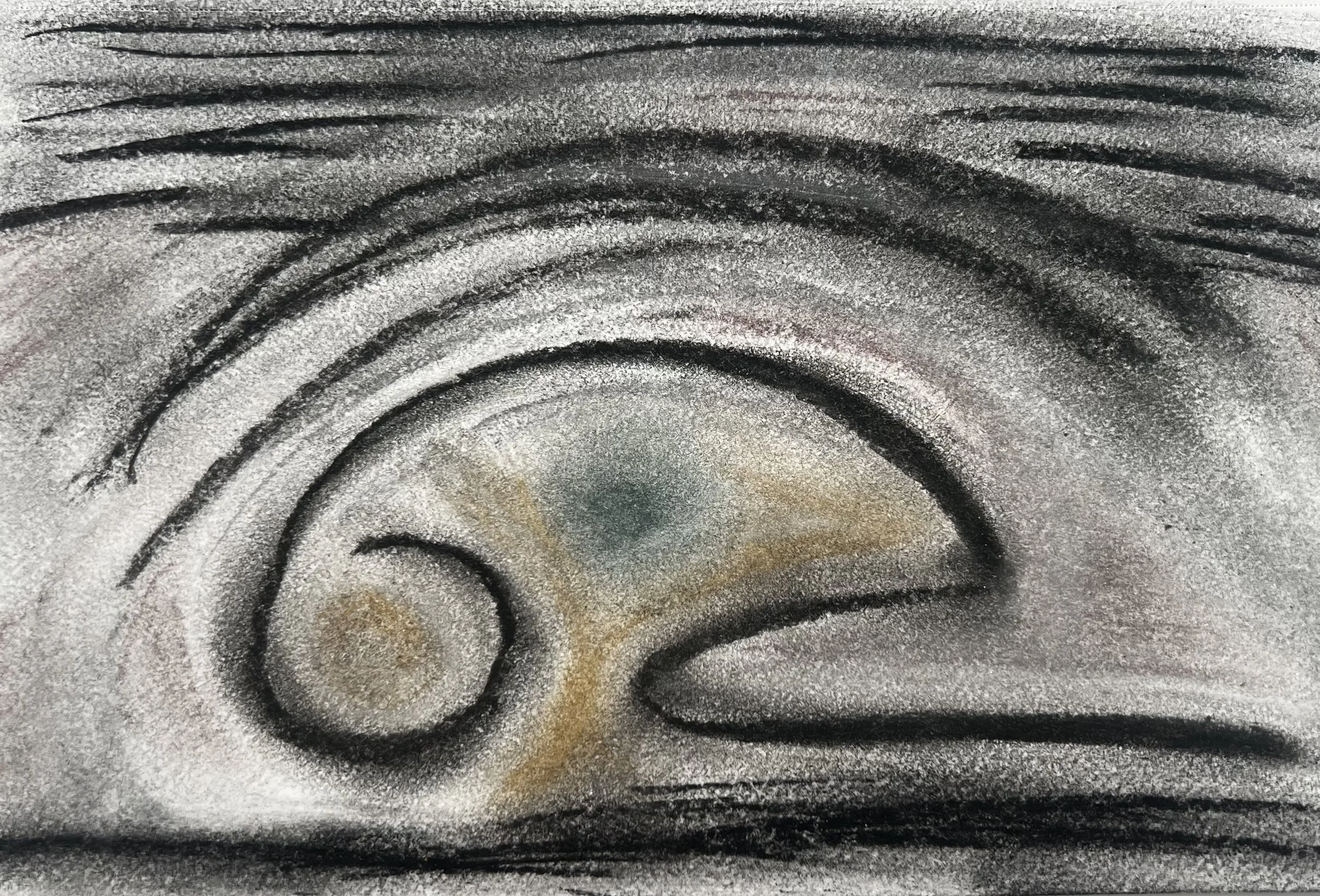
Expressive Art Reflection created by Katon Abnar Behbahani, MA, LPC, LCMHC, NCC
This is especially true for individuals navigating trauma, grief, or complex life experiences. Emotional memories are not always stored in language; they can also live in images, sensations, and felt experience.
Instead of searching for the right words, therapy may involve exploring an experience through image, color, metaphor, or creative reflection.
Often, the words come later after the experience has been expressed and explored.
Creative Approaches to Trauma Therapy
Trauma often lives beyond language.
People who have experienced trauma sometimes describe feeling overwhelmed by emotions, body sensations, or memories that do not easily translate into words.
Creative approaches to trauma therapy can help bridge this gap.
Through imagery, symbol, and creative exploration, individuals can begin to engage with emotional experiences in ways that feel safer and more manageable.
Creative approaches to trauma therapy may support:
emotional expression when words are difficult to find
reflection on personal experiences and relationships
integration of past memories
development of self-compassion
greater understanding of internal emotional patterns
In my practice, Expressive Arts Therapy may be integrated alongside other trauma-informed approaches, including EMDR, when it feels supportive and appropriate for the client.
Creative work is always collaborative, optional, and paced carefully according to each person’s comfort level and readiness.
My Approach to Expressive Arts Therapy
My work as a counselor is rooted in the understanding that people’s emotional lives cannot be separated from their relationships, life histories, and cultural environments. I approach counseling from a holistic and relational perspective, recognizing that individuals exist within complex systems of family, culture, and lived experience. From this perspective, symptoms are often meaningful responses to life circumstances rather than isolated problems within a person.

SoulCollage Card created by Katon Abnar Behbahani, MA, LPC, LCMHC, NCC
As an Expressive Arts Therapist, I sometimes integrate creative modalities such as visual art, writing, or music into the counseling process. These approaches offer additional ways for clients to explore their experiences and discover new understanding.
Importantly, creative work in therapy is not interpretive. I do not assign meaning to a client’s artwork or creative expression. Instead, creative processes are used as tools for client-led exploration within a supportive therapeutic relationship.
Who Is Drawn to Expressive Arts Therapy?
Creative and Expressive therapies often resonate with people who feel drawn to reflective, experiential, or imaginative approaches to healing.
This approach may be especially meaningful for:
people who have tried traditional therapy and want a different experience
individuals who think visually or symbolically
artists, writers, musicians, and other creative individuals
trauma survivors who feel their experiences live in the body or imagination
neurodiverse individuals who prefer nonverbal or sensory forms of expression
people who are curious about exploring emotions through creative reflection
Expressive Arts Therapy provides space for curiosity, exploration, and self-discovery within a supportive therapeutic relationship.
Frequently Asked Questions About Expressive Arts Therapy
-
Expressive Arts Therapy is an approach to counseling that uses creative processes such as drawing, writing, imagery, music, or symbolic exploration to support emotional understanding and healing.
-
Not at all.
Expressive Arts Therapy is not about artistic ability or producing polished artwork. The focus is on the process of exploration rather than the final product.
Anyone can participate regardless of artistic background or experience.
-
No. In Expressive Art Therapy, the meaning of creative work always belongs to the client. My role is not to interpret or assign meaning to artwork but to support clients in exploring what their creative expression may represent for them.
-
Traumatic experiences are often stored in emotional memory, body sensations, and imagery rather than language. Creative expression can provide additional ways of exploring and processing these experiences in a safe and supportive environment.
-
Yes. Creative approaches are often integrated with other counseling methods, including trauma-informed therapy and EMDR.
Creative work may help deepen reflection and support emotional processing alongside other therapeutic approaches.
-
Art therapy is typically focused specifically on visual art processes.
Expressive Arts Therapy integrates multiple creative forms such as visual art, writing, music, movement, and symbolic exploration.
The biggest difference between the two is that Expressive Arts Therapy is intermodal. Meaning. that creativity is fluid and it’s common to move between modalities in Expressive Arts Therapy and all in one session.
An example of this would be:
An Art Therapist would perhaps invite you to create a painting of your experience and that would be the one modality used that session.
An Expressive Arts therapist would invite you to create a painting about your experience, discuss and maybe move like what you painted, and then journal about the experience all in one session.
Both approaches use creativity to support emotional healing and insight.
-
Honestly, I believe everyone benefits from creative approaches.
Expressive approaches are often helpful for people who are reflective, creative, or interested in experiential forms of therapy. This may include trauma survivors, artists and writers, neurodiverse individuals, and people who feel that traditional talk therapy has not fully addressed their needs.